
Individual Education Plan
An Individual Education Plan (IEP) is a personalized educational plan designed to support students who require additional assistance due to learning difficulties, developmental delays, disabilities, or specific educational needs. It provides a structured framework that identifies a student's strengths, challenges, learning goals, and the support required to help them achieve academic and developmental progress.
The primary goal of an IEP is to ensure that every student receives appropriate educational support and has equal opportunities to learn, participate, and succeed in an academic environment. It focuses on developing the student's academic abilities, communication skills, social skills, independence, and overall growth according to their individual needs.
An IEP is created through collaboration between special educators, teachers, therapists, parents, caregivers, and other professionals. The team assesses the student's current abilities, learning requirements, and developmental needs to create meaningful and achievable goals.
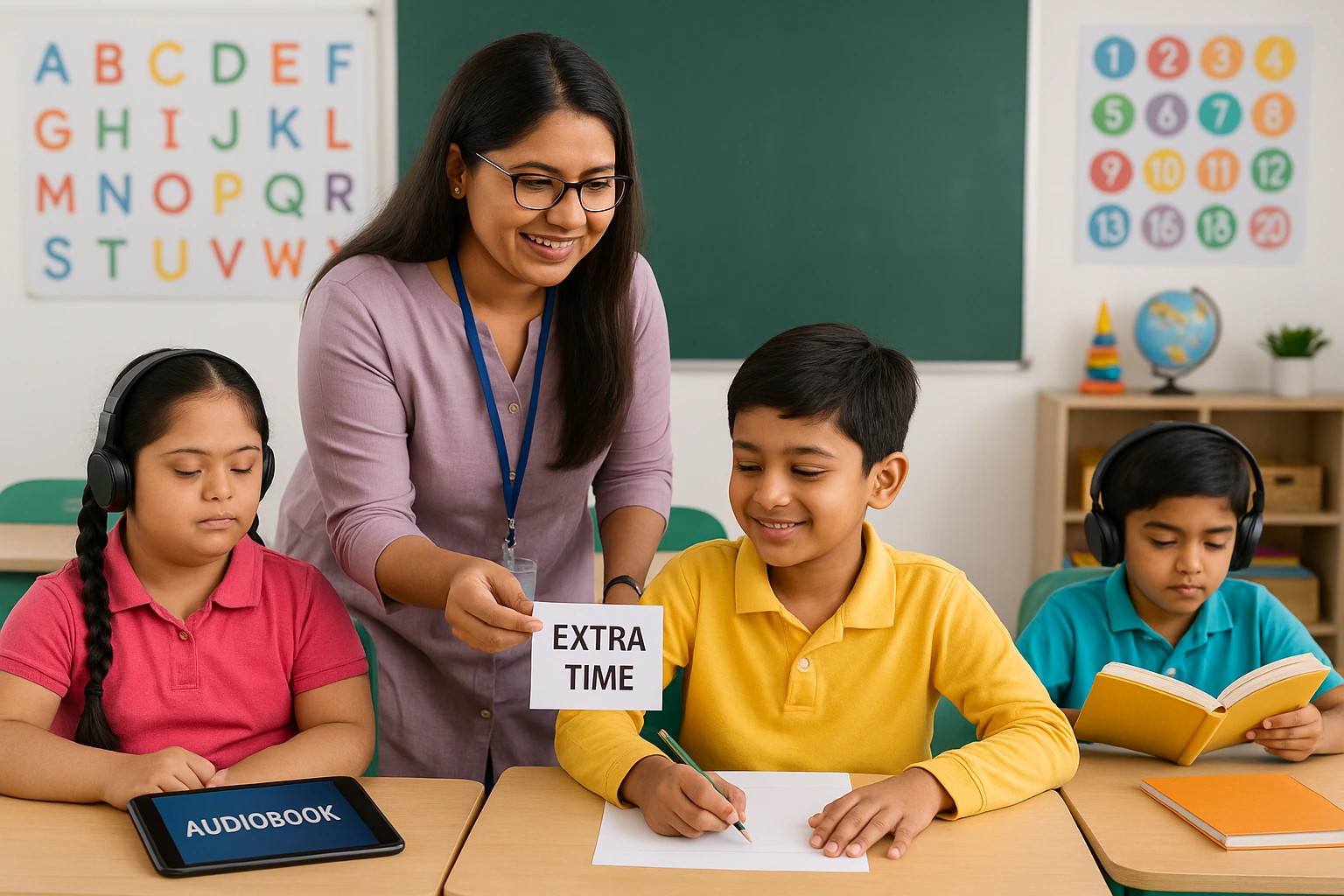
An Individual Education Plan supports students in various areas,
including:Academic Goals:
An IEP helps students improve essential academic skills such as reading, writing, mathematics, comprehension, attention, and problem-solving. Learning strategies and teaching methods are customized according to the student's abilities and learning style.
Communication Development:
IEP goals may focus on improving verbal and non-verbal communication skills, language development, understanding instructions, expressing needs, and participating effectively in classroom activities.
Social and Emotional Skills:
An IEP supports the development of social interaction, emotional regulation, confidence, cooperation, and positive classroom behaviors. Students are guided to build relationships and participate comfortably with peers and teachers.
Behavioural Support:
IEPs may include specific behavior goals and strategies to help students develop positive behaviors, improve classroom participation, manage emotions, and overcome challenges that affect learning.
Life Skills and Independence:
IEPs can include goals related to daily living skills, self-management, decision-making, organization, and independence. These skills help students become more confident and prepared for everyday situations.
Therapy and Support Services:
An IEP may include recommendations for additional services such as speech and language therapy, occupational therapy, behavioral support, assistive technology, or other specialized interventions based on the student's requirements.
An IEP typically includes important components such as the student's current level of performance, specific learning goals, teaching strategies, required accommodations, support services, progress monitoring methods, and regular review plans. These elements help ensure that education is meaningful, measurable, and focused on the student's development.
IEP services can be implemented in various educational settings, including mainstream schools, inclusive classrooms, special education programs, and learning support centers. Regular communication between educators, therapists, and families helps track progress and make necessary adjustments to support the student's growth.
Whether supporting a child with learning challenges, developmental differences, communication needs, or disabilities, an Individual Education Plan plays an important role in providing personalized education, building confidence, promoting independence, and helping students achieve their full potential.
Have Questions? We're Here to Help
Find quick answers to the most common questions about our therapies, services, and how we support your child's development.
We're here to help! Send us a message, and we'll respond as soon as we can.