
Special Education
Special Education is a specialized approach to education that focuses on supporting individuals with learning differences, developmental delays, disabilities, or other educational needs. It aims to provide personalized learning opportunities that help students develop academic skills, communication abilities, social skills, and independence according to their individual strengths and challenges.
The primary goal of special education is to ensure that every learner receives appropriate support, access to education, and opportunities to achieve their full potential. Special educators create individualized teaching strategies that address each student's unique learning requirements and help them participate confidently in academic and social environments.
Special educators assess each student's abilities, learning style, strengths, and areas of difficulty to develop personalized education plans. They use structured teaching methods, adaptive learning techniques, educational resources, and supportive strategies to improve learning outcomes and promote independence.
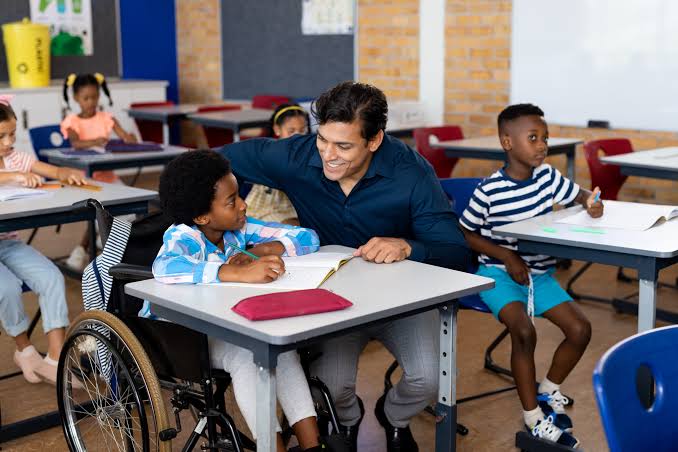
Special Education supports individuals in various areas, including:
Academic Skills:
Special education helps students develop essential academic abilities such as reading, writing, mathematics, comprehension, problem-solving, and classroom participation. Educators use customized teaching methods and learning materials to match each student's pace and learning style.
Communication Skills:
Special educators support the development of verbal and non-verbal communication skills. They help students improve language understanding, expression, vocabulary, and effective communication for academic and everyday situations.
Social and Emotional Development:
Special education focuses on improving social interaction, confidence, emotional understanding, and relationship-building skills. Students are guided to develop positive behaviors, cooperation, and self-expression.
Learning and Cognitive Skills:
Special educators work on improving attention, memory, concentration, organization, and problem-solving abilities. These skills help students become more effective learners and participate actively in educational activities.
Life Skills and Independence:
Special education supports the development of essential daily living skills, including self-care, decision-making, responsibility, and adaptive skills. These abilities help students become more independent in personal, academic, and community settings.
Behavioral Support:
Special educators help students develop positive behaviors by understanding their individual needs and providing appropriate strategies. They use structured routines, positive reinforcement, and supportive techniques to improve classroom participation and learning experiences.
Special Education uses various evidence-based approaches, including individualized instruction, multisensory learning techniques, assistive technology, visual supports, and adaptive teaching strategies. These interventions are designed based on the student's abilities, goals, and educational requirements.
Special education services are provided in different settings, including schools, special education centers, therapy clinics, and inclusive classrooms. Collaboration between special educators, parents, therapists, and caregivers plays an important role in creating effective learning opportunities and supporting overall development.
Whether supporting a child with developmental challenges, learning difficulties, communication needs, or disabilities, Special Education helps individuals build confidence, develop essential skills, achieve educational goals, and participate more independently in everyday life.
Have Questions? We're Here to Help
Find quick answers to the most common questions about our therapies, services, and how we support your child's development.
We're here to help! Send us a message, and we'll respond as soon as we can.