Behaviour Modification
Behaviour Modification is a structured and evidence-based approach that focuses on understanding, improving, and changing behaviors through scientifically supported techniques. It is based on the principles of learning and behavior analysis and aims to increase positive behaviors while reducing behaviors that may interfere with learning, communication, social interaction, or daily functioning.
The primary goal of behaviour modification is to help individuals develop appropriate behaviors, improve self-control, enhance independence, and build skills needed for successful participation in home, school, work, and community environments.
Behaviour modification professionals assess an individual's behavior patterns, triggers, needs, and environmental factors to create personalized intervention plans. They use specific strategies such as positive reinforcement, behavior shaping, prompting, and skill-building activities to encourage meaningful and lasting behavioral improvements.
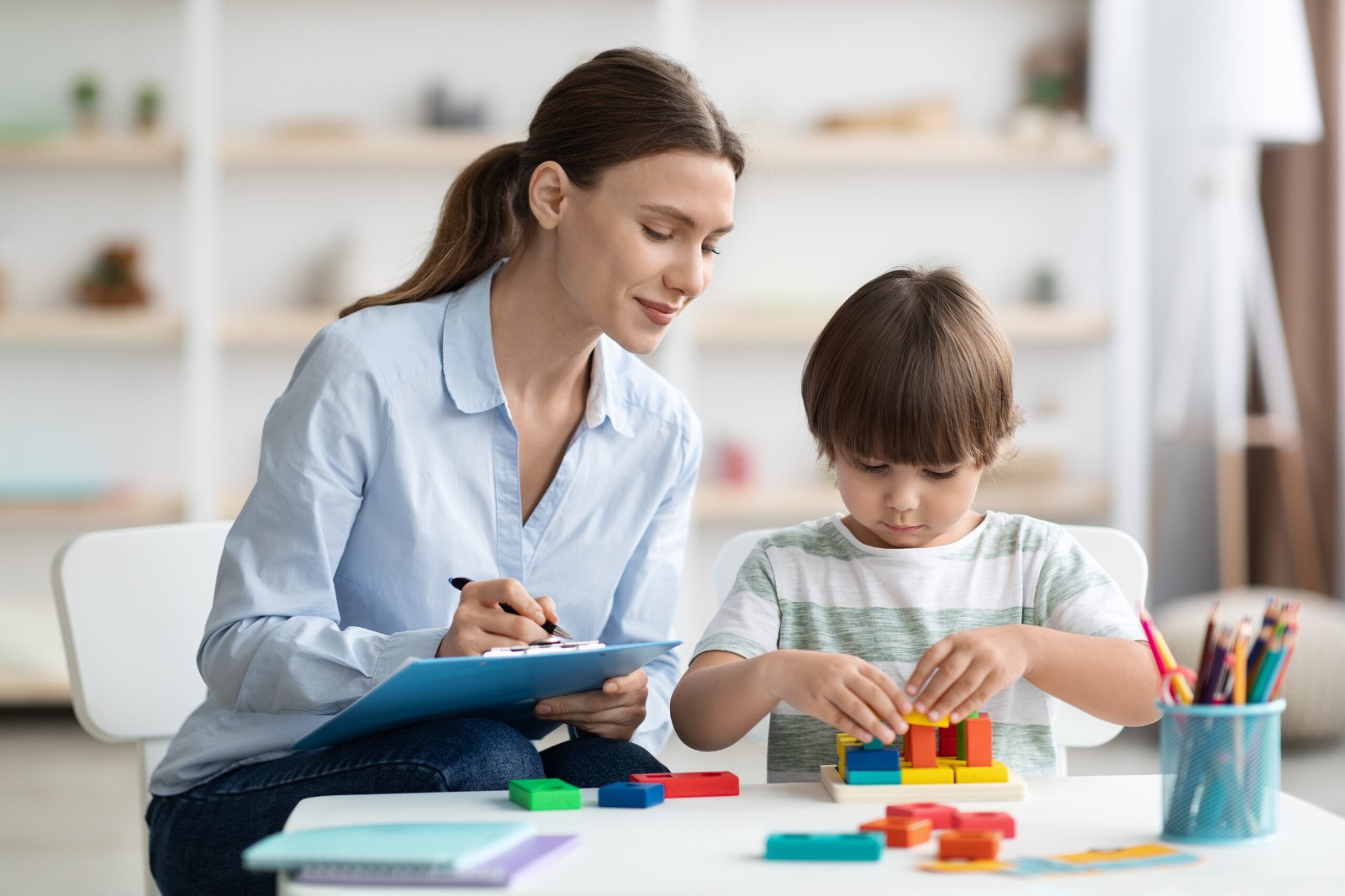
Behaviour Modification supports individuals in various areas, including:
Positive Behavior Development:
Behaviour modification helps individuals learn and strengthen positive behaviors such as following instructions, completing tasks, cooperating with others, waiting patiently, and adapting to daily routines.
Reducing Challenging Behaviors:
Professionals identify the reasons behind challenging behaviors and develop effective strategies to reduce behaviors such as aggression, tantrums, self-injury, refusal, or inappropriate responses. The focus is on teaching suitable alternative behaviors.
Emotional Regulation:
Behaviour modification supports individuals in understanding and managing emotions, coping with frustration, handling changes, and responding appropriately in different situations.
Social Skills Development:
It helps improve social behaviors such as communication, sharing, turn-taking, listening, cooperation, and maintaining positive interactions with family members, peers, and others.
Communication Skills:
Behaviour modification techniques can support individuals in developing functional communication skills, expressing needs appropriately, and reducing frustration caused by communication difficulties.
Daily Living and Independence Skills:
Behaviour modification helps individuals develop skills required for independent living, including self-care routines, following schedules, completing responsibilities, and adapting to everyday situations.
Behaviour Modification uses various evidence-based techniques, including positive reinforcement, token systems, prompting, modeling, shaping, visual supports, and behavior tracking. These strategies are customized according to the individual's goals, abilities, and specific behavioral needs.
Behaviour modification services can be provided in various settings, including homes, schools, therapy centers, and community environments. Consistent support and collaboration between therapists, educators, parents, and caregivers help individuals achieve better outcomes and maintain positive behavioral changes.
Whether supporting a child with developmental challenges, an individual with behavioral difficulties, or someone working on skill development, Behaviour Modification plays an important role in improving behavior, increasing independence, building confidence, and helping individuals participate more successfully in everyday life.
Have Questions? We're Here to Help
Find quick answers to the most common questions about our therapies, services, and how we support your child's development.
We're here to help! Send us a message, and we'll respond as soon as we can.