
Occupational Therapy
Occupational Therapy (OT) is a healthcare profession that focuses on helping individuals develop, recover, and maintain the skills required for everyday activities. It supports children, adults, and older adults who may experience challenges due to physical injuries, disabilities, developmental delays, neurological conditions, or mental health concerns. The primary goal of occupational therapy is to improve independence, enhance quality of life, and help individuals participate confidently in personal, educational, professional, and social activities.
Occupational therapists assess each person's unique needs, abilities, and challenges to create personalized treatment plans. They use therapeutic activities, exercises, adaptive techniques, assistive equipment, and environmental modifications to help individuals perform daily tasks more effectively. Occupational therapy focuses on improving physical, cognitive, emotional, and sensory abilities required for independent living.
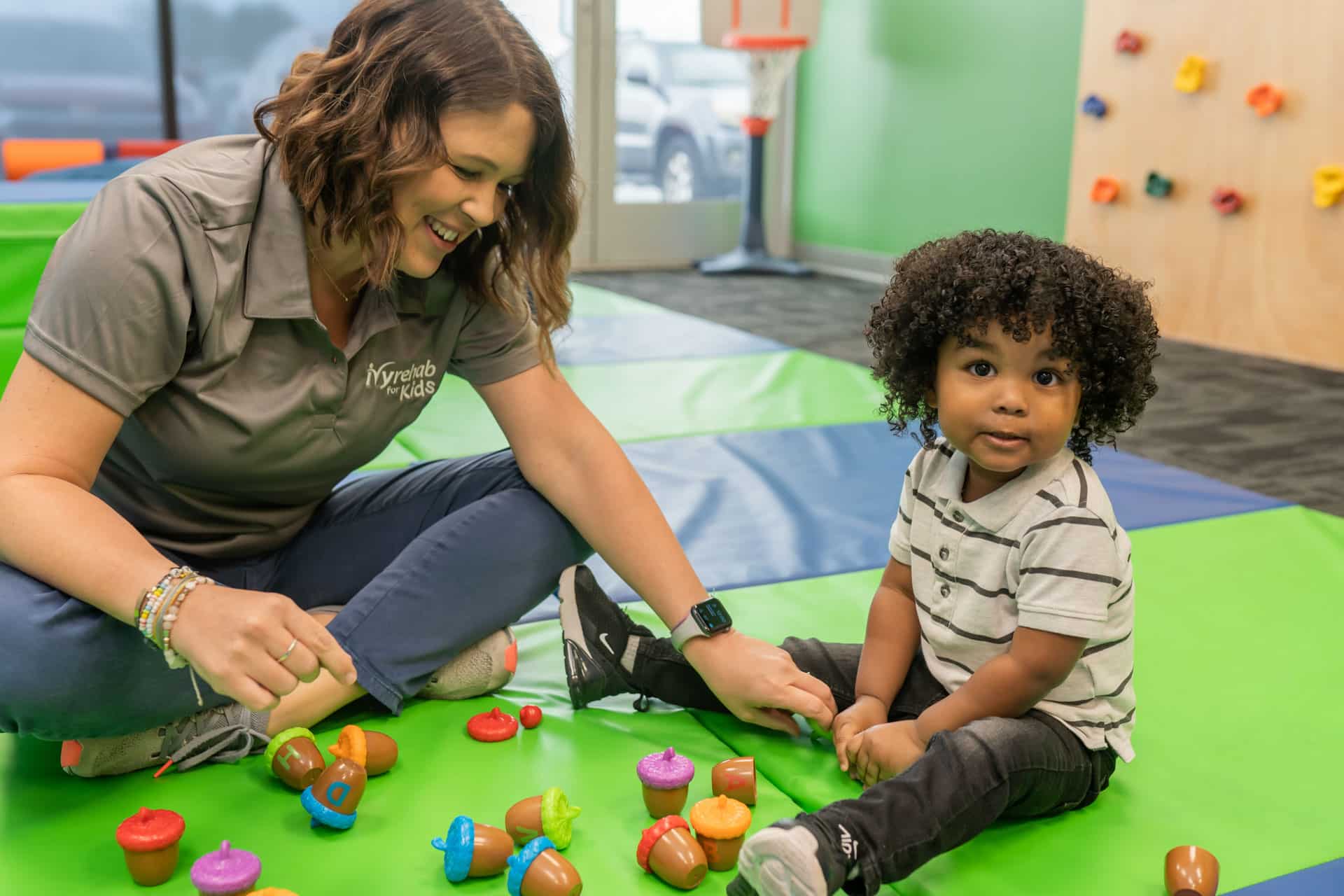
Occupational therapists support individuals in various areas, including:
Self-Care Skills:
Occupational therapists help individuals improve essential daily living skills such as bathing, dressing, grooming, eating, and other personal care activities. They encourage independence by teaching adaptive methods and strategies to overcome difficulties.
Fine Motor Skills:
Occupational therapy helps improve hand strength, coordination, and precision needed for activities like writing, drawing, using tools, handling objects, and performing other detailed tasks.
Sensory Processing Skills:
Some individuals experience difficulties in processing sensory information. Occupational therapists provide techniques and activities to improve sensory regulation, attention, and participation in daily routines.
Cognitive Skills:
Occupational therapy also focuses on enhancing cognitive abilities such as memory, concentration, problem-solving, planning, and organization. These skills are important for academic performance, workplace success, and daily decision-making.
Emotional and Social Development:
Occupational therapists help individuals manage emotional challenges, improve social interaction, develop confidence, and build skills needed for meaningful relationships and participation in the community.
Occupational Therapy uses a variety of evidence-based approaches, including purposeful activities, therapeutic exercises, assistive devices, sensory integration techniques, and technology-based solutions. These interventions are designed according to the individual's goals and requirements.
Occupational therapy services are provided in different settings, including hospitals, rehabilitation centers, schools, clinics, workplaces, and home environments. It plays an important role in helping individuals overcome challenges, increase independence, and achieve their personal goals.
Whether supporting a child with developmental difficulties, an individual recovering from an injury, or an older adult adapting to changes in health, Occupational Therapy helps people improve their abilities, participate actively in daily life, and lead more independent and meaningful lives.
Have Questions? We're Here to Help
Find quick answers to the most common questions about our therapies, services, and how we support your child's development.

We're here to help! Send us a message, and we'll respond as soon as we can.